猎场
『再会』井上真央の “女に嫌われる女” がえげつない…もし真犯人なら好感度急落も待ったなし_我的网站

一 |
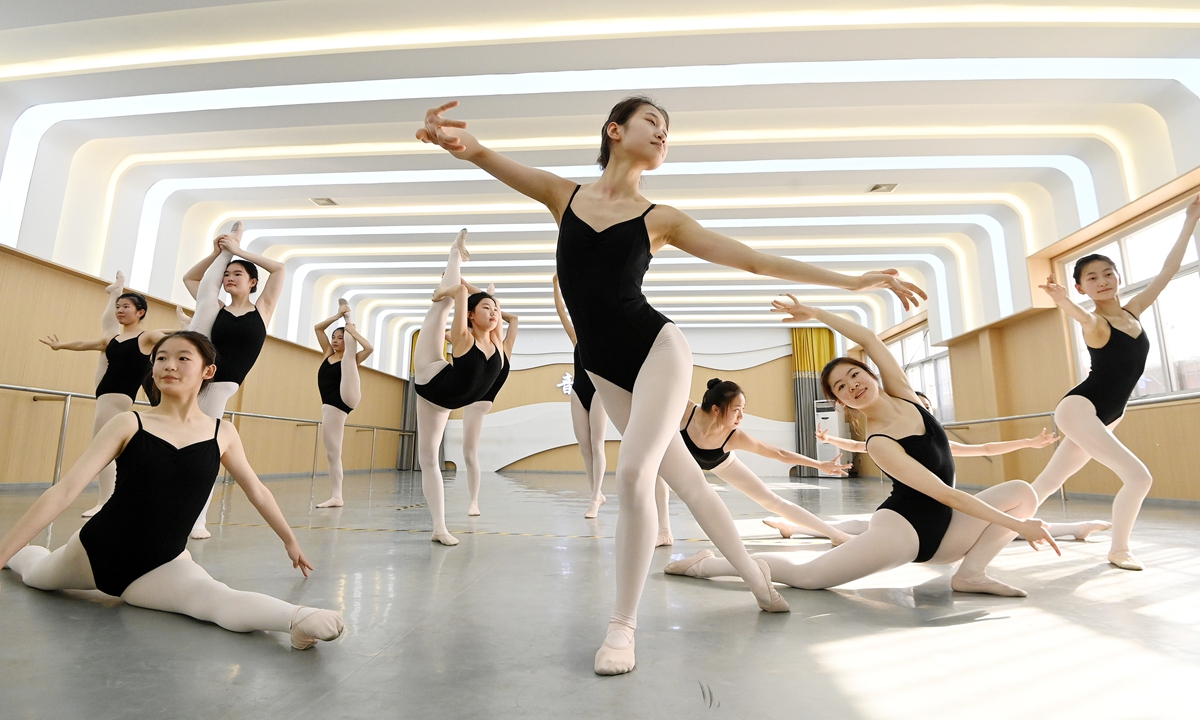
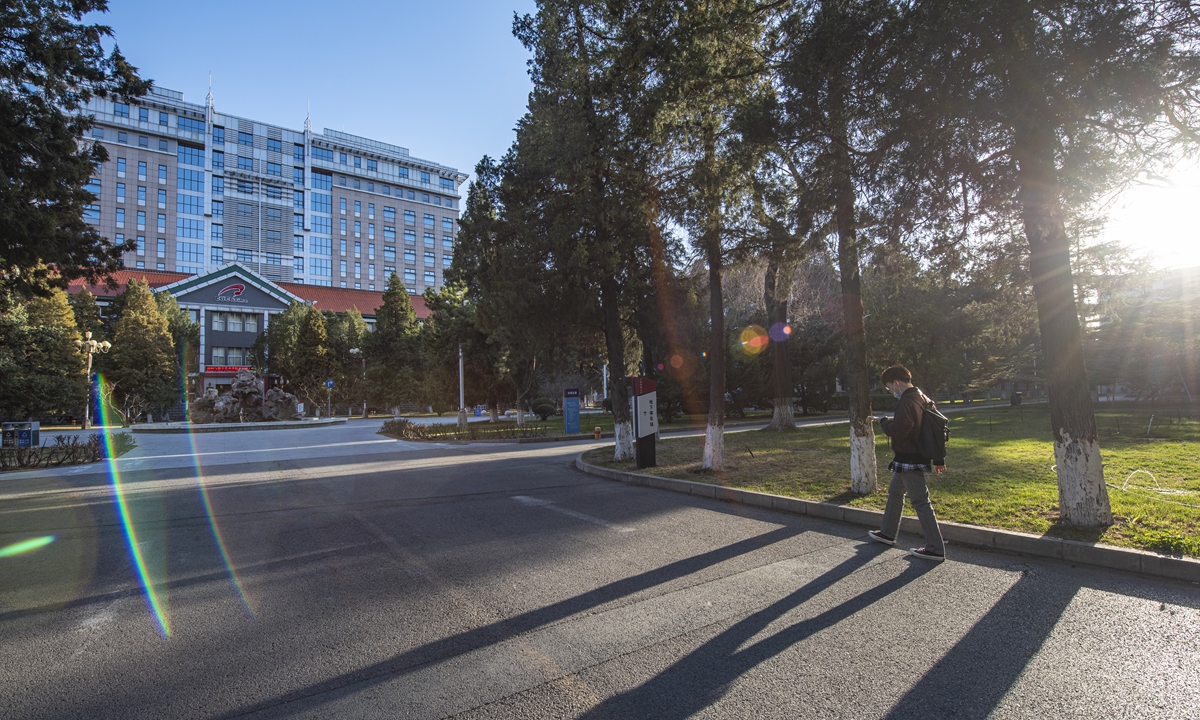
Even during summer break, changes to the admissions policy at the Communication University of China (CUC) have sparked heated discussions among students, with the reform becoming a hot topic on campus and on social media.
Amid heated debate over China's top media and arts school's admission reform, eight majors, including radio and television directing and theater directing, will no longer require separate arts exams and will instead admit students based solely on gaokao (the national college entrance exam) scores starting next year.
China's art college entrance examination, known as yikao, is a special admission pathway for students applying to arts-related majors. Applicants take both the gaokao and professional tests in areas such as fine arts, music, dance, acting, broadcasting and directing. Compared with many other university programs, art majors have traditionally placed less emphasis on gaokao scores and more on candidates' professional abilities and artistic potential.
"As one of China's most influential universities for media education, CUC's reform is seen as having broader implications," Xiong Bingqi, president of the 21st Century Education Research Institute and vice president of the China Association of College Newspapers, told the Global Times.
In his view, future arts admissions are likely to place greater emphasis on students' cultural literacy, professional interests and long-term potential.
Beyond the 'shortcut'
CUC's move reflects a broader trend among Chinese arts universities. In recent years, institutions such as Nanjing University of the Arts and Henan Academy of Fine Arts have reduced the number of majors requiring school-based exams on their specific art subjects, placing greater emphasis on academic performance and provincial-level arts examinations.
The changes reflect a broader trend in China's arts education admissions system, where universities have increasingly emphasized students' cultural foundation alongside their artistic abilities.
"CUC's latest adjustment reflects a broader trend in arts education reform, with some arts-related majors beginning to admit students based on their gaokao scores rather than separate professional examinations," Xiong told the Global Times.
According to Xiong, one of the key goals of the reform is to address the utilitarian mindset among some students and parents who view arts admissions as a "shortcut to college."
In the past, some arts programs had relatively lower requirements for cultural scores, prompting some students with weaker academic performance to turn to arts exams and enroll in professional training programs during high school. As a result, arts admissions were sometimes seen not as a choice driven by genuine artistic interest or career aspirations, but as an alternative pathway to enter universities.
"The cooling of arts exam fever, to me, is a good thing for arts education and talent cultivation," Xiong said. "By admitting eight majors directly based on cultural scores, CUC is effectively removing the stepping stone of the 'shortcut to college,' allowing more students with genuine artistic interests and professional ambitions to enter these fields."
For students, the reform has directly changed how they prepare for university and make academic choices.
"The changes have created more pathways for students interested in media-related fields," a junior arts management student surnamed Wang at CUC, told the Global Times.
Wang recalled that many students around her began preparing for arts exams as early as their sophomore year of high school and later traveled to cities where their target universities were located for intensive training.
As some media-related majors shift to cultural-score-based admissions, more students who did not take the arts exam but have a genuine interest in the media field may gain opportunities to enter these programs, she said.
Rethinking media talent
Beyond changing how students enter arts majors, the reform has also sparked discussion over how universities should train future media professionals.
A CUC sophomore student surnamed Wei from the School of Theater, Film and Television told the Global Times that one challenge after scrapping arts exams for some majors is how to support students who enter without systematic professional training.
"Students who previously prepared for arts exams often developed basic skills in audiovisual language and practical experience before entering university. Those admitted based on gaokao scores may need stronger professional guidance and more opportunities for practice," Wei said.
In addition to individual student development, the reform has also prompted discussions over what qualities future media professionals should possess. Kai Zhu, a drama education instructor at a leading high school in Beijing, told the Global Times that an overemphasis on exam-oriented training in media arts education had previously led some programs to focus on templates and techniques while neglecting core competencies.
"If media arts become a low-score pathway to university, the professional nature of the field will become blurred, and the industry may face a shortage of well-rounded talent," Kai said. CUC's reform signals a shift toward selecting media talent with both cultural depth and professional skills.
"Creative fields such as screenwriting and filmmaking are not built on technical skills alone; they require an understanding of society, humanity and history," he said.
"Cultural accumulation determines the depth and vision of creative works."
The reform is therefore not merely about changing the way students enter arts programs. Ultimately, it is about what kind of creators media and arts programs hope to nurture: not only those equipped with professional skills, but those who can think deeply, understand society and transform their cultural knowledge into meaningful works, he noted.
Wang Wenpei contributed to this story.
。 ヒロインがもし真犯人だったとしたら、井上真央史上、最悪の嫌われキャラになってしまいそうだ。

二 | 【画像あり】「仲よくなれないタイプ」井上真央が演じる“あざとい”ヒロイン 2月17日(火)に第6話が放送された、主演・竹内涼真×ヒロイン・井上真央の『再会~Silent Truth~』(テレビ朝日系)。 23年前の現金輸送車強盗と現在のスーパー店長殺人、過去と現在の事件が複雑に絡みあうストーリー。 幼馴染の淳一(竹内)、万季子(井上)、圭介(瀬戸康史)、直人(渡辺大知)の4人は、小学6年生のとき、警察官だった圭介の父と強盗犯が拳銃で相打ちして両者が亡くなってしまった現場に遭遇。

三 | それから23年、スーパーの店長だった直人の兄が殺されたことをきっかけに4人は再会。刑事になった淳一が久しぶりに会った万季子は、自分の店を持つ美容師となっていたが、殺人事件の容疑者でもあった。■サバサバ女子に見せかけたあざとい女子 さて、井上真央演じる万季子は劇中で嫌われているわけではないのだが、画面越しに見ていると、“女に嫌われる女” ムーブが散見されるため、おもに女性視聴者をイライラさせてしまっている。

四 | そもそも仲よし幼馴染グループに1人だけ少女が混ざっているという初期設定からして嫌われやすい要素なのだが、3人の少年は全員、万季子に恋をしていた模様。それは恋心を向けられていた側なので仕方ないかもしれないが、高校時代や現在の万季子はなにかと3人それぞれに “女” を出して、いい顔をしているようにも見える。 万季子は剣道女子だったこともあって一見するとサバサバ系なのだが、全方位で男たちをたぶらかしている。この “サバサバ女子に見せかけたあざとい女子” というのが、とにかく同性ウケが悪いのである。

五 | まずは直人に対して。

六 | 彼の態度を見ていれば、昔から万季子のことを好きなのは明白なのだが、彼女は天然で気づいていないのか、本当は気づいていて気づかぬフリをしているのか定かではないが、とにかく直人には馴れ馴れしい。 高校時代は「直人が彼氏ってことにしたら問題ないのか」と意味深発言で翻弄したり、美容師となった現在は直人の頭にボディタッチして「髪切ってあげようか?」と微笑みかけたり。 続いて圭介に対して。万季子は高校卒業後に再会した圭介と結婚するも離婚。その後は一人息子のため、定期的に顔を合わせるだけになっていた。しかしある晩、焼けぼっくいに火がついたのか、濃厚なキスを交わして抱きしめあい、体の関係になりそうな展開に……。

七 | 最後は淳一に対して。そもそも万季子は小学生時代、淳一に恋していたのだが、23年ぶりに再会してからも、淳一に同棲中の恋人がいることを知ると質問攻めにするなど、やはり彼のことを男として気にしているような言動が少なくなかった。

八 | 前述の圭介と体の関係を持ちそうになった前後も、淳一の前で女の顔を出している。 極めつけは先週放送の第6話。ある事情で淳一を自宅に呼びつけると、ふいに「あの頃、淳一のお嫁さんになるって思ってたから、すっごいショックだったんだよ」と切り出す。そしてキスができるぐらいの距離まで顔を近づけ、彼の顔を見つめるのである。 3人の男たちは万季子と2人きりのときに思わせぶりな態度を取られているため、彼らは万季子の魔性っぷりに気づいていない様子。だが、視聴者はそんなえげつない “悪行” の数々を全部見ているため、彼女へ嫌悪感を抱く人が続出しているのだろう。

九 | ■真犯人は井上真央か瀬戸康史かに絞られた? こうして、恋愛模様で着々と “女に嫌われる女” になっているヒロインなのだが、さらに物語の核となるスーパー店長殺人の犯人という可能性も、回を追うごとに高まっている。 警察は万季子、圭介、直人を疑っている。このドラマのストーリー的にも主要キャラ以外が犯人だとしたら、クライマックスの盛り上がりが欠けてしまうので、淳一を含めた幼馴染4人のうちの誰かが犯人なのではないか。 だが、第6話時点で淳一と直人の線は薄そうだ。 淳一は主人公で刑事だから犯人ではないだろうという理由もあるが、第6話のラストで、23年前の事件は少年だった彼が強盗犯を拳銃で撃ったという事実が明かされている。 淳一はそのときの拳銃の感触がトラウマとなり、ずっと罪を背負いながら生きてきたようなのだが、これだけ衝撃的な過去が明らかになったので、おそらく彼の抱えていた秘密はこれでもう出し切っている。 直人は第6話時点で兄殺害の容疑者として留置されており、自分が殺したという自供をしている。犯人が中盤回で捕まって自白しているというのは不自然なので、誰かをかばって罪をかぶろうとしているようにしか見えない。 残るは万季子と圭介だが、直人が身代わりになろうとする相手と考えると、万季子の線が濃くなってくるわけだ。 万季子にはこれまで事件当日のアリバイがあったのだが、第6話でそのアリバイが崩れるシーンもあったため、万季子犯人説が徐々に高まっているのである。 本作は「ヒューマンラブミステリー」と謳われているが、ラブ要素で “女に嫌われる女” としてイメージが下落し続けている万季子が、ミステリー要素で真犯人だったとしたら、井上真央史上の最悪女になりかねない。 当たり前だが、演じる役柄と俳優の人格が別物なのは言うまでもない。 しかし、竹内涼真は過去の恋愛スキャンダルで下がっていた好感度が、前クールで大ヒットした『じゃあ、あんたが作ってみろよ』(TBS系)の主人公を演じたことで、急回復したという例もある。『じゃあつく』の役で竹内がイメージアップしたのと逆現象で、今回の『再会』の役で井上真央の好感度がイメージダウンしてしまうことも十分ありそうだ。 ――今夜の放送は第7話。物語が終幕に向けて動き始めるフェーズだろう。はたして井上演じるヒロインは無実なのか、犯人なのか? 犯人だとしたら最悪女として井上の好感度も下がってしまうのか? 注目だ。●堺屋大地 恋愛をロジカルに分析する恋愛コラムニスト・恋愛カウンセラー。『文春オンライン』(文藝春秋)、『現代ビジネス』(講談社)、『集英社オンライン』(集英社)、『週刊女性PRIME』(主婦と生活社)、『コクハク』(日刊現代)、『日刊SPA!』『女子SPA!』(扶桑社)などにコラム寄稿。
Current article:http://www.zhanggengsenchaiweikeng.cfd/d2pg3/4es38z9.doc
Published on:14:19:59


