
雍正王朝
Is the rapid growth of China’s emerging industries driven by industrial subsidies?: People’s Daily_我的网站

A |
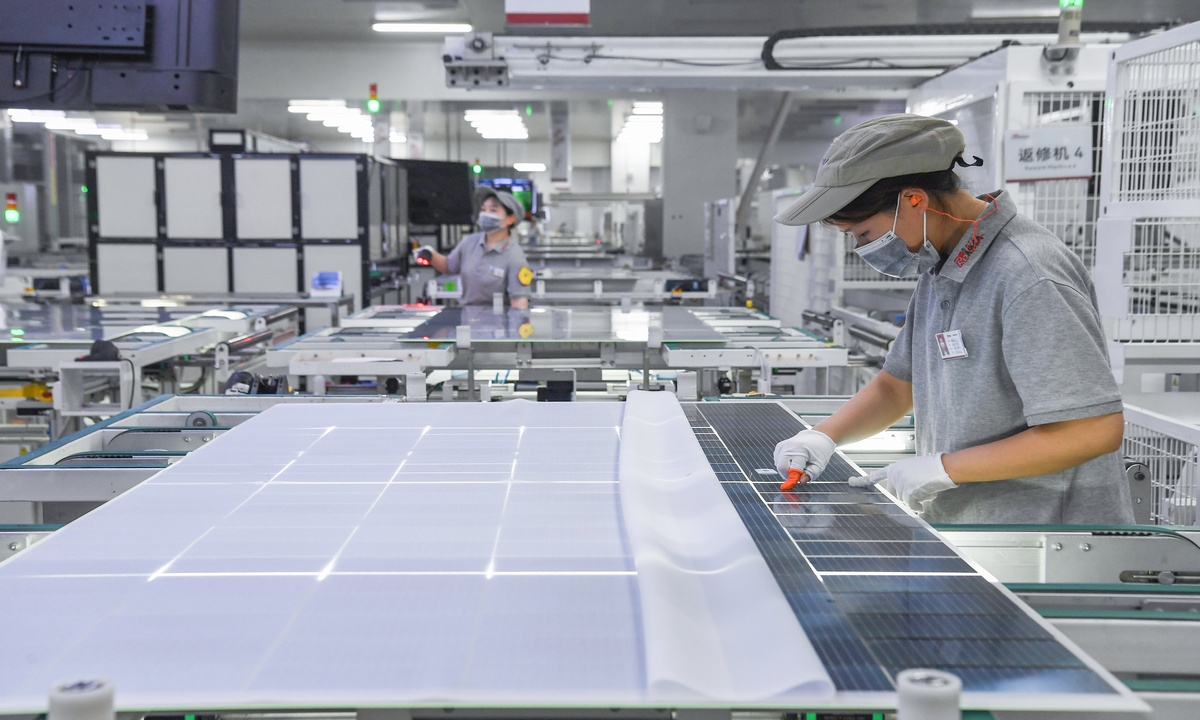
China saw robust exports in electric vehicles (EV), lithium batteries and photovoltaic products, known as the "new three," in the first half of this year. More notably, robotics, artificial intelligence (AI) and innovative drugs, which represent the future direction of industrial development, are also emerging as new calling cards for China's foreign trade.
However, the impressive performance provoked unease among some Western media outlets and politicians. Some have deliberately portrayed China's rapid industrial development and strong competitiveness as a result of government subsidies, pushing the false claim that subsidies have created overcapacity and those low-priced Chinese products are flooding global markets. Such fallacies, which simply equate industrial subsidies with overcapacity, are not only logically flawed but also factually groundless.
In practice, many countries adopt industrial policies tailored to their national conditions and development needs, such as providing research and development (R&D) subsidies for emerging industries and risk related subsidies for agriculture.
Well-designed industrial subsidies can help address market failures, promote technological innovation and environmental protection, reduce poverty and support balanced development, rather than cause so called "overcapacity."
Multiple reports by the United Nations Conference on Trade and Development have noted that the number of industrial policies worldwide has grown rapidly over the past five years, with R&D subsidies, tax incentives and low interest loans for emerging industries becoming common international practices.
Forcibly linking industrial subsidies to "overcapacity" is, in essence, a political manipulation based on double standards. The US, for example, plans to provide $750 billion in various subsidies from 2022 to 2031 under its Inflation Reduction Act. Subsidized EVs are subject to requirements such as production and sales in the US or North America, effectively excluding other WTO members. US industrial subsidies for AI are even greater than those of all other countries combined.
Similarly, according to incomplete statistics, the European Commission is expected to provide more than 1.44 trillion euros ($210 billion) in various subsidies between 2021 and 2030. The EU's Industrial Accelerator Act links local content directly to financial support through "Made in EU" requirements, creating serious investment barriers and institutional discrimination.
Have these massive subsidies been labeled as causing "overcapacity"? The answer is no. While claiming that China's industrial subsidies lead to so-called overcapacity, these countries are themselves providing massive subsidies to their own industries. Such double standards amount to selective accusations targeting China, aimed at politicizing trade and economic issues and weaponizing industrial policy.
At a deeper level, accusations that "China's industrial subsidies cause overcapacity" are merely a pretext, reflecting growing anxiety and fear over the rising competitiveness of Chinese industries.
Looking back at the repeated hype in Western media, the criticism has consistently targeted China's most globally competitive industries, including new-energy vehicles, photovoltaics and power batteries. This exposes the real intention of shifting the blame for their own lagging industrial development onto China while stepping up restrictions against Chinese industries.
China's breakthroughs in these industries have been driven by advances in homegrown technologies, complete industrial and supply chains, and robust market competition, rather than by policy subsidies as some have claimed.
In recent years, China has taken multiple steps to regulate and improve its subsidy policies, from reviewing and correcting inappropriate local subsidies to exploring a unified negative list mechanism for local fiscal subsidies. China applies subsidies equally to all market entities, including foreign invested enterprises, strictly follows WTO rules, and continues to improve the compliance, effectiveness and transparency of its subsidy policies.
Rather than fabricating and hyping baseless claims about subsidies and obsessing over building trade barriers, certain Western media outlets and politicians should focus on addressing their own weaknesses and increasing investment in research and development. They should embrace healthy market competition with an inclusive mindset, promote mutual benefit through greater openness, and win markets and drive progress through genuine innovation.
This was compiled and translated by the Global Times English edition based on an article published in the "Chisu Jinsheng" economic commentary column of the People's Daily on August 10, 2026.
。

B | 8月26日讯 拜仁官方宣布,和19岁中场费利佩·查韦斯续约至2028年6月30日,之后将其租借到德乙球队马格德堡。当地时间本周三,拜仁俱乐部在官网发布公告称:“拜仁已经和球员费利佩·查韦斯续约至2028年6月30日,并在新赛季将其租借到马格德堡。这位19岁的秘鲁国脚上赛季后半程已经被租借到科隆积累了德甲比赛经验。”费利佩·查韦斯在2019年加盟拜仁青训,并在各年龄段拜仁青年队效力。上赛季费利佩·查韦斯为拜仁一线队出场2次,今年2月被租借至科隆,之后在德甲联赛出场7次。

C | 在去年10月,费利佩·查韦斯上演了秘鲁国家队首秀。拜仁体育总监弗洛因德表示:“费利佩·查韦斯上赛季已经在科隆出场,迈出了自己职业发展的下一步。

D | 而如今他将继续在马格德堡争取获得常规出场的机会。我们和他续约,因为我们相信他未来的潜力。
Current article:http://www.zhanggengsenchaiweikeng.cfd/jboxx/20260826/1905835.doc
Published on:17:10:48
我的网站相关阅读
- 东体:现在武磊的膝盖显示仍有碎骨,比赛前要吃止痛药
- 足球报:中国申办大赛优先考虑青少年赛事,世界杯最早要到2046年
- जम्मू-कश्मीर में रेल यातायात पर दूसरे दिन भी पड़ा असर, जम्मू आने व जाने वाली करीब 26 ट्रेंने रद
- 넷이즈게임즈 '렘넌트의 바다', 12월 글로벌 CBT…지스타서도 공개
- SK바이오팜, 뇌전증 신약 기술 1.1조 베팅
- 金价突然大跌,投资群炸锅,“死多头”也顶不住了:一下子把我砸醒,是反转还是调整?专家解读
- 近期连发多起地震有关联吗?是否“地球活跃度变高”?专家解读
- 【理响中国】人类命运共同体:在历史的十字路口引领人类进步潮流
- 又来了!蒂格:用利拉德换掉库里 勇士很有可能拿到一样的结果
我的网站最新文章
- “党建红”+“火焰蓝”共建“安全城”
- 【行知·荣誉】我校师生在语言文字相关比赛中荣获多项荣誉
- 库里塔图姆领衔众星祝福威少!詹姆斯第一时间评论:兄弟下一站名人堂
- 流云装点城市天际 泉城济南迎来澄澈好天气
- 두 딸 태우고 178㎞ 만취운전…사망사고 낸 엄마, 2심서 범행 인정
- 天天学习|关于“谁得罪谁”的问题
- 德隆:洛瑞生涯漫长稳定 而我的巅峰大约只有六年
- 荣耀晒闪电机器人最新战报:打破半马等5项人类世界纪录
- 欧菲光 2026 年上半年归母亏损 4.44 亿元,同比下降 307.36%
- 半个月内,潍柴动力两名80后执行总裁离任 | 大鱼财经
- Post Malone Trips During Concert Leaving Fans Shocked
- 外部媒体:三星Galaxy F内置双电池,总容量6200毫安时
- 骑脚踏车、观鸟、散步,新加坡新增这2个散步骑行路段!
我的网站随机推荐
- 华润材料:公司2026年半年度计提及转回各项减值准备合计导致公司将减少利润总额5063.79万元
- 孙颖莎因伤退出WTT欧洲大满贯
- 英媒:为什么 OpenAI 入侵是迄今最令人担忧的人工智能事故
- 班主任开家长会批评家长,送孩子上学迟到问题,“不要每天发信息某某同学迟到,请做好家长的本分”
- 8月25日央行开展3860亿元7天期逆回购操作,8月25日央行开展3860亿元7天期逆回购操作
- 美记:骑士向公牛 篮网兜售斯特鲁斯以腾出空间
- 新春动物萌主大比拼!抽奖赢取专属红包啦!
- 喜迎二十大
- 新三板基础层公司德速智能大宗交易折价48.72%,成交金额560万元
- 罗马诺:我认为马丁内利和沃特金斯都会去新月,前者总价6500万欧
- 粗品 水原一平受刑者の〝月1300円返済〟に放言「吉野家の深夜バイト入るわ」
- 绥中县总工会开展“送技能进企业”活动
- 《劲舞团》2026城市巡回赛天津站—青春返场,热舞收官!