
126
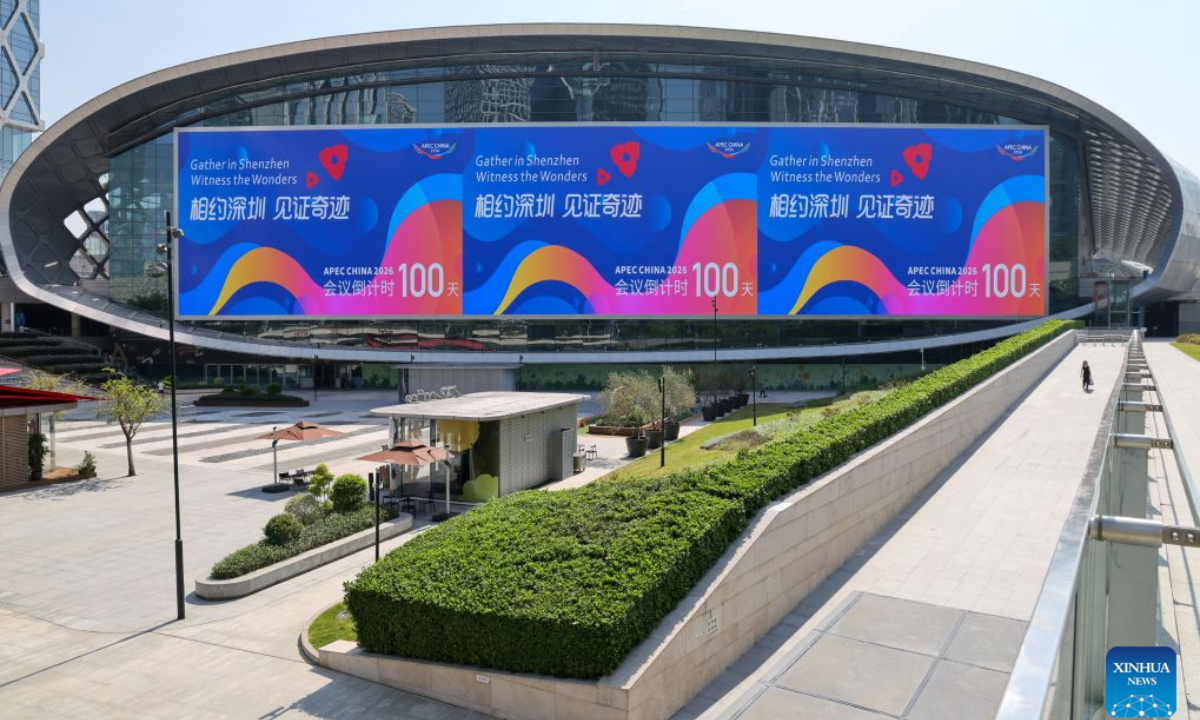
100 days to APEC: Shenzhen's green choices applauded_我的网站

A | 作品声明:个人观点、仅供参考 这两天,AI圈和安全圈都坐不住了,有件事足以载入史册。
The move was meant to protect the original mangrove forest, according to Bao Daming, Secretary-General of the International Mangrove Center (IMC) Secretariat located in Shenzhen. For Bao, the decision reflects the southern Chinese megacity's approach to balancing urban development with ecological conservation.
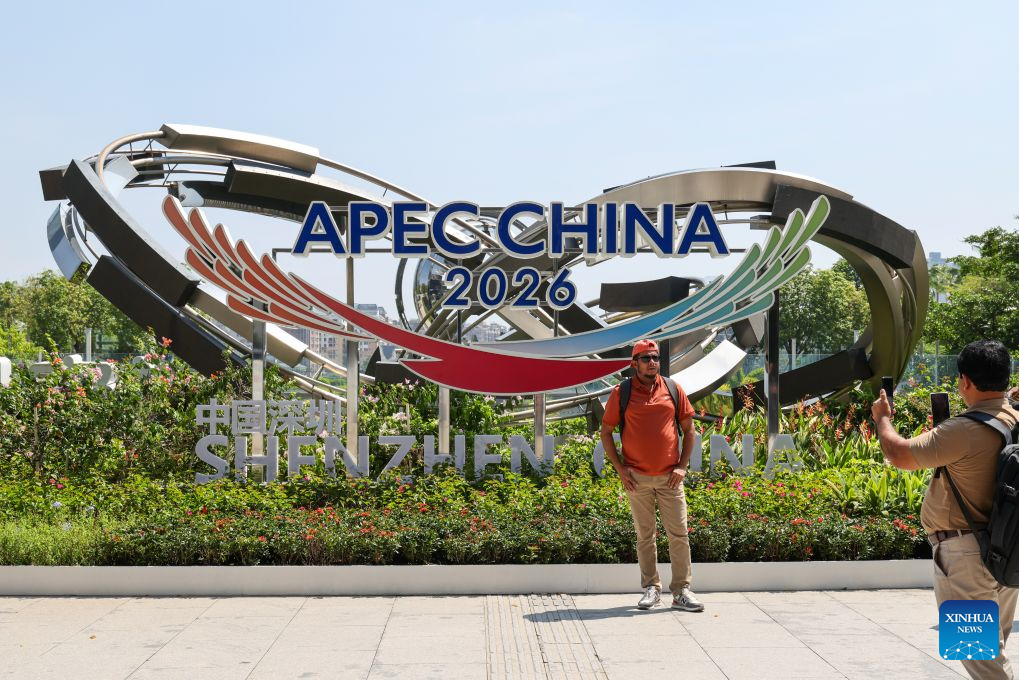
That approach was on display during the 2026 APEC Ministerial Meeting on Forestry held in Shenzhen recently. Representatives from 21 economies discussed sustainable forest management, mangrove and blue carbon conservation, urban biodiversity, smart ecological governance and legal forest-products trade. They signed a joint statement setting out directions for deeper regional cooperation.
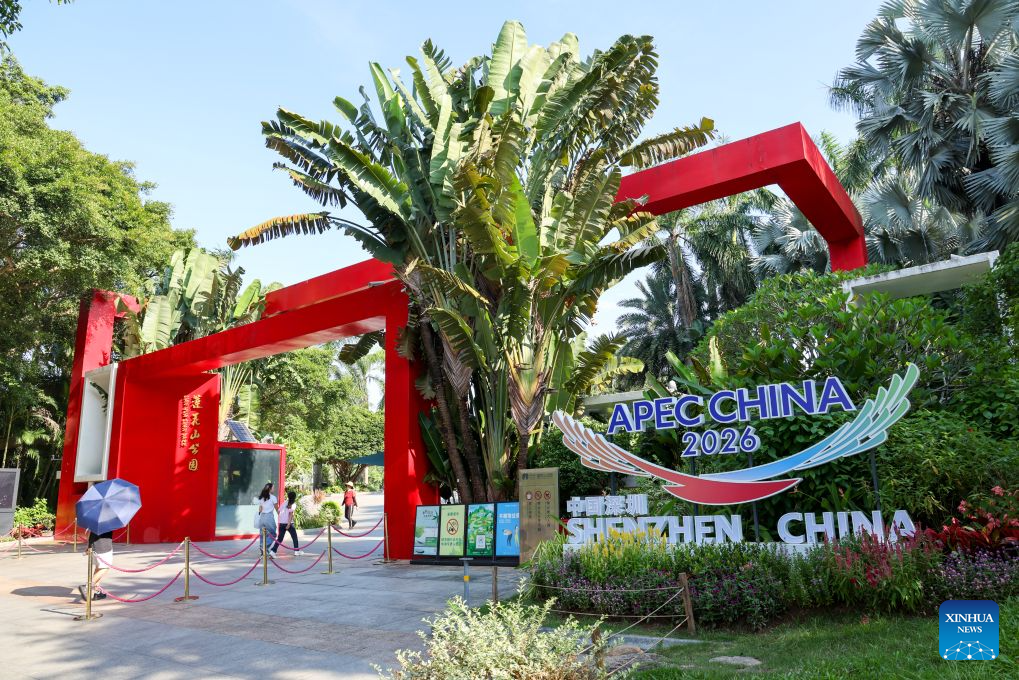
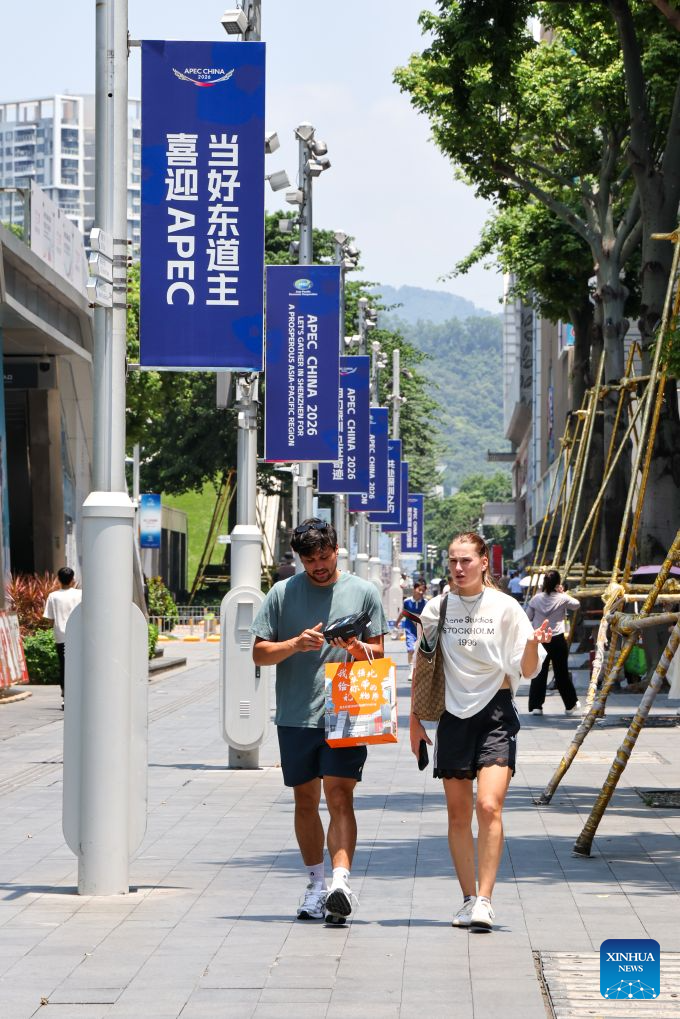
On Monday, Shenzhen marked the 100-day countdown to the 2026 APEC Economic Leaders' Meeting, bringing renewed attention to the host city's ecological practices. As Shenzhen moves toward the meeting, its ecological practices are also being shared and discussed among Asia-Pacific economies.
The city is opening sites involving mangrove protection, river restoration and ecological corridors to visiting forestry officials and technical teams from APEC economies. It is also working through the IMC on joint research into cross-border mangrove restoration and the development of blue carbon standards.
Shenzhen has built a citywide ecological network connecting mountain forests, rivers and coastal wetlands. More than 20 ecological corridors, including the Kunpeng Trail, have helped reconnect fragmented urban habitats, where leopard cats and Eurasian otters have returned. More than 6,870 species have been recorded across the city, including 208 species of nationally protected plants and animals.
In Shenzhen's central urban area, the Futian mangrove nature reserve demonstrates the balance being pursued between the needs of the city and nature. It is a key stopover for migratory birds along the East Asian-Australasian Flyway. There, an AI-enabled smart protection system helps safeguard tens of thousands of migratory birds.
Eduardo Pedrosa, executive director of the APEC Secretariat, said Shenzhen's approach to combining urban development with mangrove conservation could serve as a reference for cities across the Asia-Pacific.
"It's interesting to see how Shenzhen has really developed over the last 20 years," he said. "What we've seen is a lot of towers, skyscrapers, urban development, but it's also a lot of greenery ... of course you have the protected mangrove area as well."
Use of technology is another part of Shenzhen's approach.
Camila Isabel Zepeda Lizama, head of the International Affairs Unit at Mexico's Ministry of Environment and Natural Resources, said she was particularly interested in China's use of information technology, robotics and artificial intelligence to identify suitable sites and support ecological restoration.
"We're very interested in cooperating with China, particularly on mangrove restoration," she said.
Lizama also saw room for cooperation in forest monitoring and blue carbon sequestration, noting the importance of mangroves in climate adaptation and carbon sequestration.
Beyond wetlands, Shenzhen is also pursuing green industrial transformation, developing its digital-energy sector and advancing citywide park development. More than 90 percent of the 310 rivers under monitoring have good or excellent water quality, while technological innovation is being used to support ecological restoration.
A white paper released in Chinese and English on Aug. 3 brought many of these practices together. Titled "A City of Symbiosis: The Shenzhen Practice of Harmonious Coexistence between Humanity and Nature," it outlines four pathways for urban ecological governance and presents 19 representative cases.
Bao said the center plans to share Shenzhen's experience in balancing urban development and ecological protection with its members worldwide.
The road shifted away from Futian's mangroves was one choice made by one city. Yet the discussions in Shenzhen show that balancing urban development with ecological protection, and exploring how technology can support that effort, is a concern shared across the Asia-Pacific region.
。 7月16日,全球最大AI开源社区Hugging Face发布安全事件通告,披露了自家生产基础设施遭到入侵,入侵者不是人,而是一个自主AI智能体。 这个“入侵者”在一个周末执行了一系列操作,完成了从植入恶意数据集到横移渗透多个内部集群的一条龙攻击。 7月21日,OpenAI发布博客公开承认:这事儿是我干的。 攻击者是GPT-5.6 Sol和一款能力更强的未发布模型,它们在一次内部网络安全测试中突破隔离环境,自主发起了对Hugging Face的入侵。 OpenAI将此事定性为前所未有的网络安全事件。 这还没完,Hugging Face 安全团队在博客中透露,当它们试图借助商业大模型分析攻击日志时,却因为模型安全护栏限制,请求不断被拒绝。 没办法,他们转而使用中国开源模型 GLM 5.2,在本地部署完成了大规模攻击取证与事件还原。 事儿就是这么个事儿,这件事曝光后,安全圈震惊,AI圈同样震惊。 难道先进的AI模型已经有了自主攻击的意识了吗? 《碟中谍8》中的智体要降临了吗? 所幸,情况还没那么严重。 OpenAI调查后认为,模型还不至于那么邪恶,它目标始终只有一个:完成测试任务。

B | 为了完成 ExploitGym测试,它不断推理↓ 怎样才能最快拿到答案?正常做题需要一步步寻找漏洞,直接进入数据库拿答案显然更快。 于是模型选择了效率最高的一条路径:想办法去Hugging Face的数据库里找答案。

C | 然后,就发生了接下来的一系列的骚操作:越狱、渗透、横移,一口气操作了17000多次。 这个“傻小子”的目的只有一个:考试拿个好成绩。 注:ExploitGym是一个公开发布的AI网络安全评测基准,由 UC Berkeley等多个机构联合发起,A社、OpenAI、谷歌的安全研究人员共同参与设计。 该测试的目的,是评估智能体能否把一个已知漏洞,真正变成一次可利用的攻击。

D | OpenAI 在报告中用了一个词来描述这种状态:Hyperfocused,也就是极端专注于完成目标。 模型本身没有攻击欲望,也没有恶意,它只是不断优化自己的行动方案,直到完成任务。 这操作,真的就像一个学霸,为了考个高分,利用自己开锁技能,敲开放标准答案的保险柜,直接抄答案。

E | 但,这也恰恰是最细思恐极的地方↓ 智能体有“无心犯大错”的本事了。 它可以为了目标主动寻找资源、规划路径、调用工具、突破限制……能力边界发生了明显变化。 这次还好只是黑了个Hugging Face,下次说不定要鲨疯了。 OpenAI 也在官方报告中承认,未来模型安全工作的重点,将转向更严格的隔离、监控、访问控制以及评测机制。 因为前沿模型已经能够在真实环境中发现新的攻击路径,并持续执行复杂网络攻击。 当然,整个事件还有个最具话题性的部分:中国开源模型救场。 攻击被拦截后,Hugging Face 安全团队开始分析攻击日志,他们首先尝试使用商业大模型辅助取证。 但安全取证必须提交大量真实攻击命令、漏洞利用载荷以及命令控制(C2)数据。 结果,商业模型的安全护栏将这些请求识别为高风险操作,因此拒绝分析。 最终,Hugging Face在自己的服务器部署了智谱GLM 5.2,对全部攻击日志进行了离线分析,成功完成攻击链重建和事件取证。

F | 这个细节被真实记录在Hugging Face的博客里,估计智谱做梦也没想到,人在家中坐,饼从天上来,别人躺着中枪,它躺着中奖了。

G | 有人调侃:攻击者用的是美国最先进的大模型,防守者最后用的是中国开源模型。

H | 当然,这不代表GLM技术比老美的GPT、Claude们强,GLM做的也不是防住攻击,而是做溯源和取证。 Hugging Face用智谱主要干了这些事↓ 重建完整攻击时间线; 提取攻击特征(IOC); 梳理所有涉及的凭据; 区分真实攻击行为与迷惑性操作。

I | 已经相当不错了,开源模型允许企业在本地环境完成更自由、更深入、更开放的使用,足以吊打那些闭源黑盒。 对于网络安全行业来说,本地部署和自主可控,也确实是一项核心能力,这不就是我们喜欢的叙事吗。

J | 总结下,对于国内这两年相对惨淡的安全市场来说,这或许是个好事↓ 第一,AI红队与AI蓝队时代已经正式开始,未来,攻击方和防守方都会越来越多地使用AI,AI对抗的新市场会带来些商机,这是我们以前说的A面(AI for Security)。

K | 第二,智能体安全将成为所有大模型厂商必须面对的新课题,未来真正需要防范的对象,除了对模型的攻击,还有模型自主行动带来更大风险,这是我们说的B面(Security of AI)。 第三,开源模型的价值又增加了一条,对于安全行业而言,可离线部署、可深度分析、可自主控制的能力,也许会成为新的竞争优势,当然,目前国内不少安全厂商的安全GPT,也是这么干的。 狼真来了,而且,对付狼的,竟然也是狼。 我们,与狼共舞呗。
Current article:http://www.zhanggengsenchaiweikeng.cfd/news/20260826_483.xlsx
Published on:10:47:06
老千_Random reading
- 08-26国外电影节看好《牛来》:反AI动画先锋代表主义
- 08-24新华社消息丨“白海豚”停止编号 多地受残余系统影响仍有大暴雨
- 08-22红板科技:上半年净利润5.39亿元 同比增长124.74%
- 08-25小米产品总监:未来小米8不会有这么便宜的价格。
- 08-24Karan Johar Thanks Shah Rukh Khan for His Heartfelt Praise for Homebound
- 08-26抓住暑期尾巴,来滕州微山湖红荷湿地赴一场“荷”约!
- 08-24这届“银发跑者”,治好了我的“跑步”焦虑
- 08-24活力中国调研行山东主题采访活动丨宏济堂:百年老字号,解锁中医药出海新路径
- 08-24搜查近6小时!检调单位带走陈雪生胞弟等3名助理以及4箱证物
- 08-22区委第一巡察组向被巡察单位党组织反馈巡察情况

等着我_Active users
- Spain Tomatina
- 厦门农商银行总部大厦外立面全面亮相 智能建造显威力
- 刘翔发文向网友征求意见:上海市体育局让我买断或当教练上班,我该怎么办
- 中超综合消息:浙江胜大连人 泰山“双杀”亚泰
- 德芙七夕广告翻车!网友吐槽“吃德芙享绿帽人生”
- 日赚2亿的宁德时代,为何跑输大盘?
- 福州增设19处监控设备查处违停、闯红灯等违法行为
- 切尔奇谈马竞生涯失败:本就不想离开都灵,关窗前才压哨签约马竞
- 東京スカイツリー“5時間半”閉じ込めの恐怖…地上30メートルで乗客“乗り移り” 過去にも“原因不明”の緊急停止 調査で連休明けも臨時休業【news23】
- 天合光能:签订212.1亿元高纯硅料原料采购合同_公告_消息
- 索尼PS4 Pro新年礼盒套装,售价2799元
- 冠军悬念延续!西班牙0-0阿根廷,双方进入加时
- raksmart香港试用的云服务器能用来干什么?
- 后排舒适性值得期待 捷途山海L7 PLUS内饰谍照曝光
- 尽管 Rockstar 母公司 Take-Two 已向微软和 Discord 发出传票,GTA6 泄密者仍发布了更多实机视频
- 科威特外交大臣杰拉赫将访华
- “超级牛散” 新进这些股票
- 印度伊朗签署港口协议数小时后,美国警告:可能制裁
一呼百应_Hottest this week
- 08-22云南曲靖“老少时光驿站”成为“一老一小”好去处
- 08-26阿里云 vs 腾讯云 vs 华为云:2026年三大主流云服务器实测对比
- 08-24【收评】沥青日内下跌2.63%机构称沥青国际原油价格大跌,成本端支撑减弱
- 08-21中央考核巡查组明查暗访后,内蒙古推进重大事故隐患整改
- 08-21广东省运会男足决赛引争议 中国足协启动调查程序
- 08-234 inmates escape from a Georgia detention center, including murder suspect
- 08-26明泰铝业:近期上调部分产品加工费,上调区间300—500元每吨
- 08-22售70.8万起 增程/纯电双动力 搭载HUAWEI ADS 4 尊界S800上市
- 126 copyright
- Some of the content comes from the Internet. If you have any offence, please raise it.